
Key takeaways
- Learn how to inspect a used boom lift in Singapore: hours, hydraulics, batteries, tyres, safety systems, service records and checks to do before buying.
What's inside
As an Amazon Associate I earn from qualifying purchases. This post may contain affiliate links at no extra cost to you.
As an Amazon Associate we earn from qualifying purchases.
A used boom lift can look tidy in photographs and still hide the faults that matter most once it is raised, loaded and slewing over a real work area. The real decision is therefore not whether a machine looks clean, but whether its hours, hydraulics, power source, structure and safety systems can be verified in person, on the ground and through a full cycle of movement.
This guide is for contractors, facilities teams and small fleet owners in Singapore who are viewing a second-hand machine and need a disciplined way to judge it. It follows the logic of manufacturer pre-operation inspections and Singapore workplace safety guidance, rather than appearance, seller descriptions or a fresh coat of paint.
How to Check the Machine Before You Commit
Start cold, start low and start with the machine switched off. Manufacturer inspection routines for boom lifts begin with a walk-around before any function is operated, looking for leakage, structural damage, missing parts and illegible decals, and only then move on to a function check in an area clear of overhead and ground-level obstructions. Applied to a purchase viewing, that order protects you twice. Defects are easier to spot before oil has warmed and spread, and you learn how the seller reacts when you slow the viewing down. A seller who will not allow a cold start, a full extension or time to read the paperwork is telling you something important before you spend anything further.
Read the Hour Meter Against the Rest of the Machine
Treat the hour reading as a claim to be tested, not as a fact on its own. Note what the meter shows, then compare that figure with pedal and joystick wear, seat condition, tyre wear, paint loss around handholds and the general state of pins and bushes. A low reading sitting beside heavily polished controls, loose pivot points and tired hoses deserves questions. Ask where the machine worked previously, whether it came from a rental fleet or a single site, and whether any meter, engine or major component has been replaced. Where records exist, line the dates and hour figures up in sequence. Gaps, sudden jumps or a service history that never mentions hours are reasons to pause and investigate rather than negotiate harder.
Follow the Hydraulic System From Tank to Cylinder
Hydraulics do the lifting, telescoping and slewing, so small leaks here are rarely small problems. With the machine parked and off, inspect the reservoir level, then work along hoses, fittings, control valves and each lift and slave cylinder, looking for wet oil, damaged outer hose covering, chafing where lines rub, and scored or pitted cylinder rods. Manufacturer walk-around lists single out hydraulic lines, filter housings and drive motors for exactly this kind of leakage check. Afterwards, run every function slowly through its full range. Movement should be smooth and repeatable. Jerking, drifting after you release a control, unusual noise or a boom that creeps downward points to a fault that needs a proper diagnosis, not a verbal reassurance.
Judge the Power Source on a Cold Start and a Full Cycle
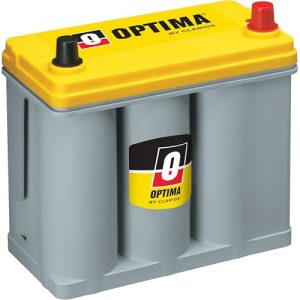
Electric and engine-powered machines fail in different ways, so test the version in front of you rather than applying a generic checklist. On a battery machine, ask the age of the pack, inspect cables and terminals for corrosion or loose connections, confirm the charger is present and working, and run the machine through a complete working cycle instead of a brief lift off the ground. A weak pack can move an unloaded platform yet fade quickly under normal use. On a diesel machine, start from cold where possible and listen for rough running while watching for leaks and abnormal smoke. Check engine oil, coolant and fuel condition, and ask when filters and oil were last changed, then match the answer against the service record.
Walk the Tyres, Chassis, Boom and Platform as One Structure
Load travels from the platform, through the boom and turntable, into the chassis and out through the tyres, so inspect that whole path instead of admiring individual parts. Look along boom sections and the jib for dents, bent members, cracked welds and signs of previous repair. Check pins, bushes and slew areas for looseness or uneven wear, and examine the platform rails, gate, floor and anchor points for damage or alteration. Tyres need attention to cuts, chunking, uneven wear, age and, where they are pneumatic, condition and inflation. Underneath the chassis matters too. Manufacturer guidance specifically warns against overlooking the underside, because damage and leaks often show there first.
Which Checks Matter Most for Your Situation
No two buyers carry the same risk. A machine heading indoors faces different questions from one going to rough outdoor ground, and a unit bought for occasional facility work will be judged differently from a unit expected to work every week. Use the situations below to decide where to spend extra inspection time, and consider bringing a competent mechanic or inspector for the viewing when the machine will carry people regularly. That extra pair of trained eyes is most valuable when they are free to find faults, rather than being asked to confirm a decision you have already made emotionally.
You Are Buying an Electric Machine for Indoor Work
Prioritise the battery pack, charger and low-speed control. Run repeated lift, drive and steer cycles, because a pack that is near the end of its useful life may perform acceptably once and then weaken. Inspect terminal corrosion, cable security and battery fluid arrangements where the design allows it, and confirm the charger suits your supply. Smooth, precise movement at low height matters indoors, so test inching and braking as carefully as full elevation.
You Are Buying a Diesel Machine for Outdoor Sites
Give the cold start, cooling system and ground-bearing parts the longest look. An engine that starts easily when warm may behave very differently first thing in the morning, so arrange the viewing accordingly when you can. Work through drive, steering and braking on the sort of surface the machine will face, check tyres for damage rather than tread appearance alone, and look underneath for leaks that only appear after the machine has moved and the hydraulics have warmed through a full cycle.
The Machine Has Worked in a Rental Fleet
Expect honest wear, but demand honest records to go with it. Rental use can mean frequent servicing and regular inspection, or it can mean many different operators and a hard life across varied sites. The paperwork decides which story is true. Compare service entries, inspection reports and repair notes against the wear you can see on pins, hoses, tyres and controls. Consistency between the documents and the metal in front of you is the strongest signal available to you.
The Deal Looks Attractive but the History Is Thin
Slow down and shift your effort from the machine to verification. Photograph the serial plate, hour meter, data plate and any inspection decals, then ask for whatever service history, manuals and examination records exist, even if the file is incomplete. Arrange a longer function test and, if anything structural, hydraulic or safety-related remains unexplained, walk away or make any further step conditional on an independent inspection. A thin history is not proof of a bad machine, but it removes your cheapest form of protection.
Common Mistakes
Most inspection failures share a pattern: the buyer spent the viewing time on the parts of the machine that are easiest to see, and the least time on the systems that carry people, hold pressure or stop the machine in an emergency. Paint, panels and a tidy platform photograph well, yet none of them lift anything. The errors below are avoidable with a slower viewing, a written list carried onto the site, and a willingness to leave a machine behind when the answers do not match the evidence in front of you.
- Judging the machine by paintwork and photographs instead of a cold, in-person inspection that includes the chassis underside, boom welds, pins and platform structure.
- Accepting the hour meter at face value without comparing it with control wear, tyre condition, service entries and the seller’s account of where the machine previously worked.
- Testing only a short lift off the ground, rather than raising, extending, rotating and lowering through the full range while watching for drift, jerking, noise and leaks.
- Forgetting the safety systems: emergency stop, ground controls, emergency lowering, alarms and interlocks all need to be demonstrated working, not simply pointed out on a panel.
- Skipping the paperwork because the machine runs well on the day, leaving maintenance history, manuals and statutory examination records unchecked until after ownership has changed.
Frequently Asked Questions
What safety systems should be demonstrated before buying?
Ask to see the platform and ground controls working, the emergency stop cutting power, the emergency or auxiliary lowering method explained and demonstrated where the manufacturer procedure allows it, and alarms responding as they should. Singapore’s Ministry of Manpower has warned that bypassing or removing safety devices on a mobile elevating work platform is dangerous and an offence under the Workplace Safety and Health Act, so any disabled interlock or alarm is a serious finding.
Why does Singapore inspection history matter on a used machine?
Ministry of Manpower guidance on mobile elevating work platforms states that, for periodic statutory inspection, Authorised Examiners are required to test, examine and certify that safety devices are in place and in good working order. A machine with a traceable inspection record gives you evidence that this has been happening. MOM also notes that re-registration is required when lifting equipment changes ownership, so confirm the machine’s current status and what will be needed after the sale.
Should a used boom lift be tested under load?
A full function test through the complete range of movement is the minimum, carried out in a clear area following the manufacturer’s instructions. Manufacturer manuals separate the walk-around inspection from the function check for a reason: defects found on the ground should be corrected before the platform goes up. Never exceed the rated platform capacity shown on the machine, and leave any formal load testing or statutory examination to the properly qualified examiner rather than improvising it during a sales viewing.
What paperwork should come with the machine?
Look for the operator and safety manual, a maintenance and service history, previous inspection or examination reports, and records that match the machine’s serial number and hour readings. Manufacturer inspection guidance expects the operation and safety manual to be kept with the machine in its weather-resistant storage container. Missing manuals can sometimes be replaced, but missing history cannot be recreated, so treat a complete, consistent file as part of the machine’s value.
Related guides
More from Amazon
Programs that pair well with the guide above. Offers and eligibility are set by Amazon and may change.
Free shipping on eligible items, Prime Video and more. Eligible new members can start with a free trial.
Start a Prime free trialAudiobooks and podcasts to listen to on the go. Eligible new members can start with a free trial.
Try Audible freeAd-free music streaming. Eligible new subscribers can start with a free trial.
Try Music Unlimited freeA free business account with business pricing and bulk-buying tools for work, shop or home office.
Create a business accountAs an Amazon Associate we earn from qualifying purchases.

Write Your Review
No reviews yet. Be the first to share your experience!